As online gambling has evolved over the past two decades, the variety of products available has expanded dramatically. Among the most popular formats today are live dealer casino games and video slot streams. While both bring the thrill of the casino floor into your browser or mobile device, they operate on fundamentally different technologies and user experiences. This article breaks down the core differences between live casinos and video slot streams, explains their early origins, highlights common misconceptions around bonuses and game mechanics, and explores how these formats have grown into multi-format entertainment hubs.
Early Digitization of Casino Classics: The Foundation of Online Casino Games
When online casinos first went live in the late 1990s and early 2000s, the goal was simple: replicate the brick-and-mortar experience digitally, starting with the most iconic games such as blackjack, roulette, and slots. Early digital versions of these casino classics were primarily software-based, running directly in your computer’s browser or in downloaded casino clients. These browser-based casino games used Random Number Generators (RNGs) to simulate game outcomes, ensuring fairness through complex algorithms rather than physical dealing or spinning.
Slots, in particular, were the easiest games to digitize because they follow simple, repetitive mechanics with little need for human interaction. Their colorful visuals and straightforward gameplay helped them quickly attract a broad audience, especially casual players seeking quick thrills.
Understanding Video Slot Streams: Software-Driven, Fast-Paced Gameplay
A video slot stream is essentially a live or pre-recorded broadcast of slot gameplay. Sometimes streamed by online casinos themselves or influencers on platforms like Twitch and YouTube, these streams use software-generated animations of slot reels spinning. https://enyenimp3indir.net/what-are-the-most-common-live-casino-table-games-people-start-with/ The gameplay mechanics behind a video slot stream are entirely software-driven:
- Outcomes are determined by an RNG that ensures fair and random results. Players see the spinning reels and animations, but there is no physical machine or real-time dealer interaction involved. Because of the automation, video slots offer extremely fast gameplay, allowing for many spins per minute.
Video slot streams have become a staple in online casino entertainment because they’re easy to understand, visually engaging, and can include special effects and bonus rounds that only software allows.

Live Casino Games: Streaming Real Tables with Human Dealers
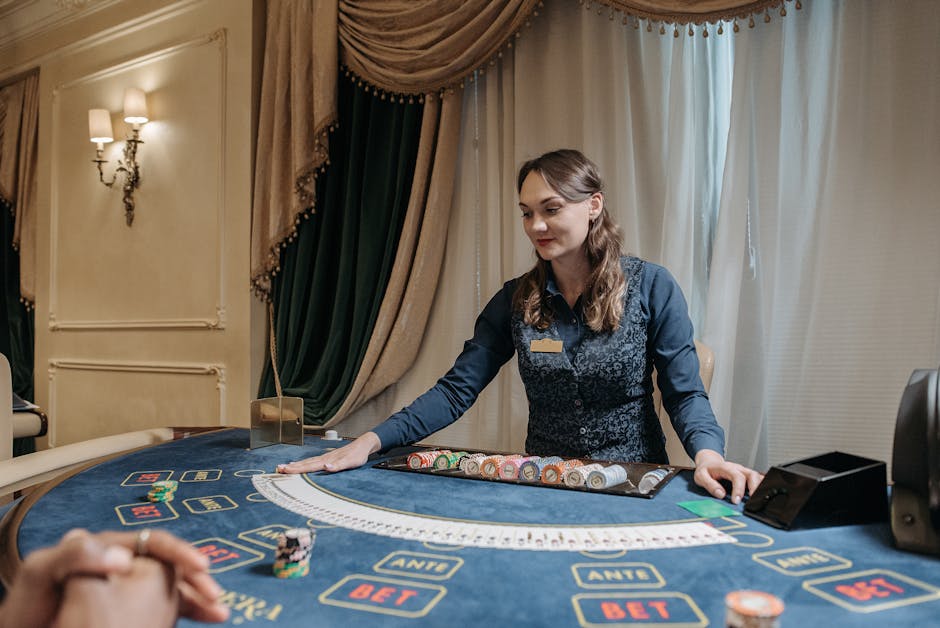
In contrast, live casinos rely on live streaming video from real tables with human dealers. Here’s how it works:
- Professional dealers sit at actual casino tables equipped with cameras capturing multiple angles. The video feed is streamed in real time to players, who can watch the dealer shuffle cards, spin the roulette wheel, or deal blackjack hands. Players place bets through an interactive user interface overlay, which communicates with casino software to integrate their actions with the live table. Live dealer games aim to replicate the feel and social interaction of a physical casino but delivered directly inside your browser or mobile app.
This format demands a different technology stack than video slots. The focus is on latency-free, high-quality streaming, real-time game state updates, and dealer-player communication—sometimes via chat. The result is a much more immersive and social experience, often preferred by more traditional or serious gamblers.
Live Dealer vs Slot: Key Differences Summarized
Aspect Live Dealer Casino Video Slot Stream Game Type Real table games with human dealers (blackjack, roulette, baccarat) Software-based slot machines Technology Live video streaming, real-time interaction Animated reels using RNG software Player Interaction Real-time betting, sometimes with chat options Automated spins, no dealer interaction Game Speed Slower, paced by dealer and broadcast delay Fast, multiple spins per minute possible User Experience (UX) Immersive, social, authentic casino feel Visuals & effects-driven, quick, casual-friendly Platform Browser or app with high-quality streaming capabilities Browser-based or app with graphical slot engineCommon Misunderstandings: Bonuses, RTPs, and Wagering Requirements
When comparing live dealer games and video slots, players often get confused about bonuses, Return to Player (RTP) percentages, and wagering requirements. It’s important to clarify these specifics because they are not functionally interchangeable between formats, which can impact expectations and satisfaction.
Bonuses and Bonus Amounts
Many new players mistakenly believe that specific bonus amounts apply equally to live dealer and slot games. In reality:
- Casinos often restrict the use of certain bonuses for live dealer tables due to higher costs and different game economics. Slots typically contribute 100% to wagering requirements, whereas live dealer games might contribute far less or be excluded entirely. Watch for promotional terms specifying game eligibility—not all bonuses work the same across formats.
RTP Percentages
RTP (Return to Player) percentages represent the average payout a player can expect over time. Common player errors include:
- Assuming live dealer games have fixed RTPs like slots. Live dealer RTPs can vary by casino rules and dealer styles. Believing RTP percentages guarantee outcomes. RTP is a long-term theoretical average, never a guarantee for individual sessions. Overlooking house edge differences between live games and slots; for example, blackjack strategy affects RTP in live games.
Wagering Requirements
Wagering requirements (or playthroughs) differ greatly:
- Slots usually have straightforward wagering terms; bets fully count towards clearing bonuses. Live casino bets often count less or not at all toward wagering, limiting potential to clear bonuses solely on live tables. Misunderstanding this leads to frustration when players feel bonuses are "unfair" for one game type compared to another.
Growth Into Multi-Format Entertainment Hubs
Today’s online casinos are no longer just platforms for isolated games—they have evolved into comprehensive entertainment hubs combining slots, live dealer games, tournaments, social features, and more. The convergence helps cater to different player preferences:
- Slots as the easiest online format: Quick, accessible, and with attractive graphics, slots attract casual players and beginners. Live dealer streaming and real-time UX: Suitable for players seeking authenticity and interaction closer to the brick-and-mortar casino vibe. Cross-promotion: Casinos often encourage players to try multiple offerings by bundling bonuses or integrating seamless lobby navigation.
Final Thoughts: Choosing Between Real Tables and Software-Based Slots
Whether you prefer a live dealer vs slot depends largely on what experience you’re after:
- If you value human interaction, slow-paced strategy, and the social casino atmosphere, live dealer games streamed from real tables bring the closest online equivalent. If you want fast excitement, flashy visuals, and straightforward gameplay, video slots provide a rich, instantly accessible experience driven entirely by RNG-based software.
Understanding the streaming casino difference can also help you better manage expectations around bonuses, RTPs, and wagering rules. Remember that neither format is inherently better—just different digital expressions of casino entertainment, each suited to distinct audiences and preferences.
As mobile-first design and streaming technology continue to improve, expect both live set deposit limits online casino dealer games and video slot streams to become more sophisticated, immersive, and integrated into expansive online gambling ecosystems.