As online gambling continues evolving, many players are turning to cryptocurrencies for deposits and withdrawals, attracted by promises of privacy and speed. Companies like MrQ, a reputed online casino, support both fiat and crypto payments, which brings up a critical question: Is crypto gambling truly anonymous or just private?
At DimensionsPoint.com, we focus on cutting through the hype to deliver practical, accuracy-first insights. To understand the privacy levels of crypto gambling, you need to grasp how blockchains, wallets, exchanges, and payment flows work — and where risks like identity exposure and volatility creep in.
Fiat vs Crypto Deposit and Withdrawal Flow: What Changes?
The starting point to crypto gambling privacy is how money moves in and out of your account. If you deposit with traditional currencies like British pounds, or any fiat currency regulated by central banks such as the Bank of England, your transaction goes through banks or card processors. These entities verify your identity and keep detailed records. That limits anonymity upfront.
On platforms like MrQ, fiat deposits typically occur via credit cards, bank transfers, or e-wallets, all of which require identity verification due to anti-money laundering (AML) laws. Withdrawals back into fiat also undergo strict checks — especially with amounts over a certain threshold. Fees may apply on deposits or withdrawals, reflecting bank and processor costs.
By contrast, when you deposit cryptocurrency, such as Bitcoin or a stablecoin, the flow is different:
- From your external wallet: You initiate the transfer from your own crypto wallet by sending coins to the casino's wallet address. No KYC at wallet level: Your external wallet doesn’t require personal identification enforced by a central authority — but exchanges often do for fiat-to-crypto conversions. On-chain confirmation times: Deposits must be confirmed by network miners, which can take from seconds to minutes, depending on network congestion. Withdrawals: Typically sent back to your wallet address, requiring your custody of private keys.
Exchange and Wallet Responsibilities
A crucial distinction often missed is who holds your crypto before betting:
External crypto wallet: You retain full control, managing private keys. This gives you privacy but also responsibility. If you lose your keys, your funds are gone. Exchange wallets: If you buy crypto on an exchange to deposit, remember exchanges usually perform identity verification (KYC) for regulatory compliance.This means your crypto deposit isn't anonymous from the moment you convert fiat to crypto. Your identity is linked to your exchange account, which holds a record of deposit and withdrawal transactions. When you transfer crypto from the exchange to the casino, that wallet address becomes part of the public blockchain ledger — an immutable and transparent record.
What Does Pseudonymous Blockchain Really Mean?
People often say blockchain is anonymous. It's not quite accurate. Public blockchains like Bitcoin operate pseudonymously.

- A pseudonymous blockchain means a wallet address looks like a random string of letters and numbers rather than your name or ID. All transactions involving that address are visible to anyone on the network through public transaction histories. If someone can connect your wallet address to your real identity — for example via an exchange or an off-chain database leak — all your transaction history becomes tied to you.
This creates privacy that is partial, not absolute. It’s less direct than a bank statement with your name, but not fully shielded as cash in hand.
Wallet Address and Identity Link Risks
Let’s consider a scenario:
You create a new external crypto wallet for deposits to a gambling platform like MrQ. You purchase Bitcoin on a regulated exchange, verified with ID checks. You send Bitcoin to your new wallet, then deposit to the casino. The exchange knows your identity associated with your initial purchase, meaning law enforcement or hackers accessing their records could trace funds flowing to your gambling wallet.Additional analytics tools exist to cluster wallet addresses, track transaction flows, and flag wallets dimensionspoint.com involved in illicit activity. This means your gambling wallet's history is potentially identifiable by blockchain forensic firms employed by regulators or casinos themselves.
Fees, Congestion, and Confirmation Times Impact Privacy and Convenience
Crypto transactions aren’t free or instant. Fees and delays affect user experience and sometimes privacy:
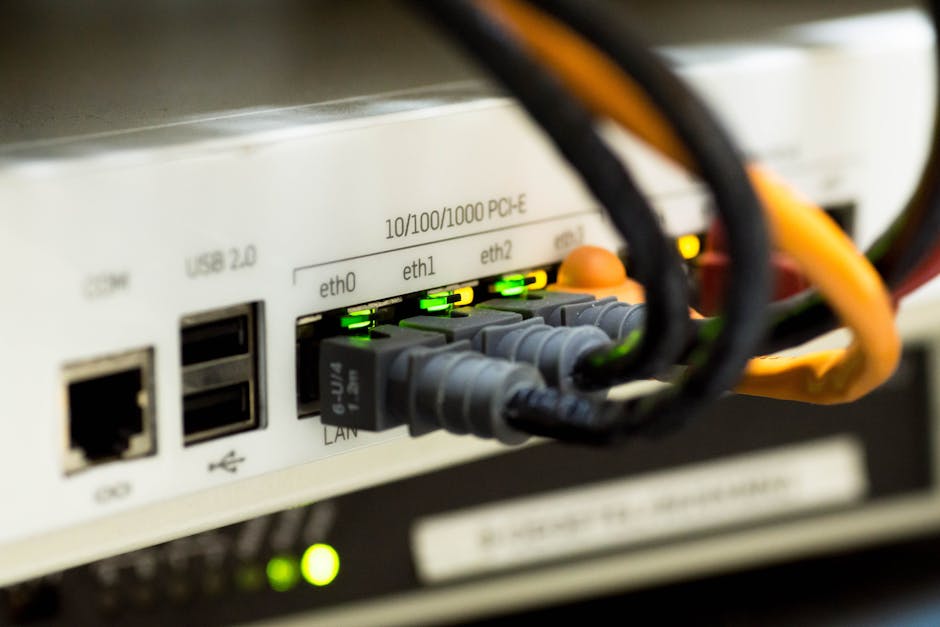
For example, Bitcoin fees vary widely. During peak congestion, miners prioritize higher-fee transactions. Casinos can either cover the fees, transfer them to players, or set minimum deposit amounts to stay efficient.
Volatility vs Stability: Pounds, Bitcoin, and Stablecoins
Another angle people overlook is currency volatility. Using Bitcoin for gambling introduces price risk you don’t get with fiat pounds or stablecoins.
- Bitcoin: Known for sharp price swings. Since deposits and withdrawals on the blockchain occur in Bitcoin, your bankroll’s fiat equivalent can rise or fall rapidly. If you deposit 0.01 BTC valued at £300, it might suddenly be £280 or £320 at withdrawal. Stablecoins: Cryptocurrencies pegged to fiat currencies (e.g., USDT, USDC) offer price stability but can be subject to regulatory scrutiny. Pounds (fiat): Most stable and familiar for players, but flows through banks with identity tracing.
From a privacy perspective, stablecoins replicate many blockchain transparency issues but reduce volatility risk. From a player’s perspective, volatility matters: imagine winning a big payout but having your Bitcoin value drop significantly before withdrawing to fiat.
What Happens If Something Goes Wrong?
It’s essential to explore risks beyond privacy labels:
- Lost Private Keys: If you truly control your crypto wallet, losing your private key means no access to funds or winnings. No customer support can restore it. Exchange Failures: Buying crypto on exchanges that verify your identity can expose you if data breaches occur. Casino Wallet Issues: If MrQ keeps your crypto in a custodial wallet and suffers a hack or insolvency, your funds can be at risk. Regulatory Changes: Authorities might impose reporting requirements or restrictions on crypto gambling.
Summary: Crypto Gambling Is More Private Than Anonymous
The straightforward truth is this:
- Crypto gambling on platforms like MrQ is not anonymous but pseudonymous. While you avoid direct ID checks if using an external wallet, your transaction history is permanently public on the blockchain. Identity links often stem from regulated exchanges where KYC is mandatory, connecting your real world identity to your wallet addresses. Fees, blockchain congestion, and confirmation times influence user experience and add unpredictability compared to fiat payments. Volatility in cryptocurrencies exposes players to financial risk not present with stable fiat pounds or stablecoins.
For readers researching crypto gambling, understanding these nuances helps set realistic expectations about privacy and responsibility.
To explore more about crypto technology and responsible online gambling, visit DimensionsPoint.com where we demystify complex topics with practical clarity.